2020s Fashion: Y2K Revival, Quiet Luxury, and TikTok Aesthetics
If the 2010s were defined by Instagram, the 2020s belong to TikTok — and to the dozens of micro-aesthetics ("cores") that an algorithmic feed produces and discards every season. Coquette, balletcore, gorpcore, mob wife, quiet luxury, indie sleaze revival, Y2K revival: the decade has not had one silhouette, it has had a feed of them.
The cultural backdrop
The decade opened with the COVID-19 pandemic in early 2020, which collapsed in-person fashion weeks, ended the global runway-as-only-source-of-trends model, and made a generation of designers and consumers comfortable with sweatpants, slippers, and pajamas as outerwear. Working from home put yoga pants on Zoom calls; "WFH-core" was the first 2020s aesthetic. The 2020 Black Lives Matter protests pushed the industry toward (uneven) accountability on representation and credit. The post-pandemic reopening produced "revenge dressing" — a deliberate burst of bright color and skin-revealing silhouettes in 2021 — that crested fast and gave way to the era's more typical mood.
TikTok's algorithm changed how trends spread. A "core" — coquette, mob wife, balletcore, eclectic grandpa — could be invented, peak, and burn out in two months, with millions of teens buying into it before the next one arrived. The shortening of cycles drove ultra-fast fashion (Shein became the world's largest fashion retailer by some measures around 2022) and a parallel resale boom on Depop, Vinted, Vestiaire Collective, and The RealReal. AI-generated images and AI-driven trend forecasting entered the industry from 2023 onward.
Women's fashion: the era of the "core"
Y2K revival (2021–present)
Beginning in 2020 and crystallizing in 2021, Gen Z drove a head-to-toe revival of late-1990s and early-2000s fashion: low-rise jeans, baby tees, baby blue, juicy-tracksuit-shaped sets, butterfly clips, mini bags (Diesel, Coach, Prada Re-Edition), micro-mini skirts, halter tops, fur-trimmed jackets. By 2022 it had been absorbed into mainstream luxury — Miu Miu's Spring 2022 micro-skirt was named Lyst's "item of the year" and forecast its own copy across every fast-fashion site within weeks.
Quiet luxury (2022–present)
The opposite of Y2K and the spiritual sequel to Phoebe Philo's Céline: a no-logo, beige-and-cream, perfectly-tailored aesthetic associated with The Row, Loro Piana, Brunello Cucinelli, Toteme, and Khaite, and popularized by HBO's Succession (2018–2023). The look — a cashmere crewneck, wide-leg trousers, a soft trench, a structured leather tote — became the default uniform of upper-middle-class millennials and helped reshape the work-from-office wardrobe.
The "core" multiverse
- Cottagecore — Long floral prairie dresses, lace, picnic baskets, baking. Pandemic-driven (2020–21).
- Balletcore — Pink ribbons, leg warmers, ballet flats, wraparound cardigans. 2022–23.
- Coquette — Hyper-feminine: bows, ribbons, lace trim, pink, soft makeup. 2023–24.
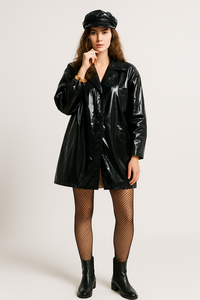
- Mob wife — 1980s-revival fur coats, dark sunglasses, gold jewelry, leopard print, glossy red lip, slicked-back hair. Early 2024.
- Gorpcore — Technical outdoor wear (Arc'teryx, Salomon XT-6, The North Face) worn as everyday city dress. 2021–present.
- Indie sleaze revival — A self-aware return to the 2006–10 American Apparel/MisShapes aesthetic. 2022–23.
- Eclectic grandpa — Pinstripe trousers, fair isle vests, slippers, layered cardigans. 2023.
- Boho 2024 — Chloé under Chemena Kamali drove a maximalist hippie return — fringe, suede, ankle boots, layered scarves.
Defining base wardrobe pieces
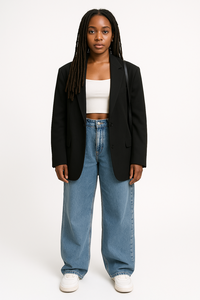
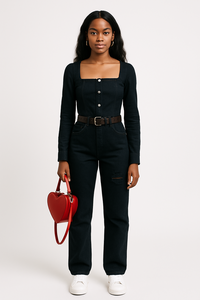
Beneath the "cores," the 2020s have developed a recognizable base wardrobe: low-rise wide-leg jeans (replacing the skinny in 2021), the "carpenter" cargo pant, the small fitted T-shirt or rib tank, the oversized blazer (carried in from the late 2010s), the slip dress (still), trench coats, ballet flats and Mary Janes (replacing sneakers as the default flat in 2023), small structured handbags (Bottega Cassette, Hermès Kelly, the Coach Tabby), and chunky loafers. The "Bottega green" of Daniel Lee's Bottega Veneta tenure (2018–2021) and the "Pierpaolo's pink" of Valentino's 2022 collection became the era's two most recognizable color codes.
Men's fashion: gorpcore, old money, baggy
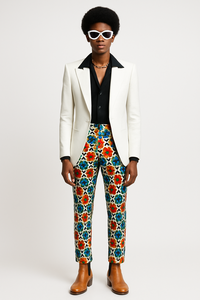
Men's silhouettes finally widened in the early 2020s after almost twenty years of slim. Wide-leg pleated trousers, baggy jeans, oversized blazers, and chunky loafers replaced the slim suit as the default smart-casual wardrobe. "Old money" or "Ivy revival" — Brooks Brothers, Ralph Lauren, J. Press, Drake's, the Rowing Blazers — became a major aesthetic force, often blended with vintage Polo Bear and racing-jacket pieces.
Gorpcore — technical outdoor wear treated as fashion — built one of the decade's strongest cross-over markets. Salomon XT-6 sneakers (originally a 2013 trail-runner), Arc'teryx shells, Patagonia fleeces, Goretex everything, and HOKA Bondis became as common in cities as in mountains. Pharrell's appointment as Louis Vuitton men's creative director (2023) leaned into baggy denim, oversized work jackets, and a hip-hop-meets-old-money aesthetic. Streetwear cooled relative to 2018; the once-ubiquitous Off-White and Vetements logos became less visible by 2023.
Hair, makeup, and accessories
Hair: the curtain bangs and "wolf cut" of 2021–22; the bob (octagon bob, blunt bob, Italian bob) returning hard from 2022 onward; "money piece" face-framing highlights; the slicked-back low ponytail; the messy claw-clip updo as the universal Zoom-era hairstyle. Korean and Japanese hair influences (clean center parts, soft layered ends) crossed over heavily through K-pop and J-beauty content.
Makeup softened from the 2010s Instagram face. The "clean girl" aesthetic (slicked hair, glowing skin, brown lip liner with nude gloss, fluffy laminated brows, no contour) became dominant from 2021. Korean glass-skin techniques shaped a generation of skincare routines. The blush stripe (2023, "draping" across the cheekbones and nose), the latte makeup look (2023), and the "strawberry girl" red blush (2023) cycled through TikTok in turn. Glossier, Rare Beauty, Patrick Ta, and Hailey Bieber's Rhode all defined the era.
Accessories: tiny "bag charms" (Labubu and Smiski plush charms, Jellycats, beaded keychains), oversized scarves and wraps, the small structured top-handle bag, ballet flats and Mary Janes, chunky loafers, sambas and Adidas Gazelles (revived hard in 2023), the trench coat, the puffer coat, and — for the first time since the 1990s — a clear move away from sneakers and toward flats and small heels for everyday wear.
Icons of the decade (so far)
- Bella Hadid — Whose archival paparazzi 2000s wardrobe drove the Y2K revival single-handedly from 2021 onward.
- Olivia Rodrigo, Sabrina Carpenter, Chappell Roan — Three pop musicians whose stage looks have shaped 2020s teen and young-adult dressing.
- Harry Styles — Who normalized pearls, dresses, painted nails, and Gucci dandyism in mainstream menswear.
- Zendaya — Whose Law Roach–styled red carpet has set a new standard for celebrity dressing.
- Hailey Bieber — The "clean girl" aesthetic's most photographed face; founder of Rhode.
- Daniel Lee, Pierpaolo Piccioli, Chemena Kamali, Sabato De Sarno, Pharrell — The designers driving the most-watched houses (Burberry, formerly Bottega; formerly Valentino; Chloé; Gucci; Louis Vuitton men's).
- The Row — Mary-Kate and Ashley Olsen's brand, now arguably the most influential luxury house of the era.
Gallery


How to dress for the 2020s today
- Y2K revival: low-rise wide-leg jeans, a fitted baby tee, a small shoulder bag, butterfly clips or claw clip, a long bomber or fur-trim jacket, ballet flats or low-top sneakers.
- Quiet luxury: a cashmere crewneck, taupe wide-leg trousers, a tan trench, small gold hoops, brown leather tote, Mary Janes, glowing skin and neutral lip.
- Clean girl: slicked-back ponytail or bun, gold hoops, a fitted ribbed white tank, high-waisted straight leg jeans, Adidas Sambas or simple flats, brown lip liner with nude gloss.
- Gorpcore: Salomon trail sneakers, technical wide-leg pants, an Arc'teryx shell, a small fanny pack, a beanie.
- Coquette: a pink or white slip dress, lace trim, a black ribbon at the neck, ballet flats, soft pink blush, glossy nude lip.
- Mob wife: a long fur or faux-fur coat, dark sunglasses, gold layered chains, leopard print, glossy red lip, slicked low bun.
Common identification mistakes
- vs. early 2000s: the Y2K revival looks identical to the original Y2K. The clue is in the details: 2020s revivals tend to be sharper-tailored, in better fabrics, and worn with 2020s-era ballet flats or Sambas rather than the original era's bootcut jeans and Birkenstocks.
- vs. late 2010s: the late 2010s skinny jean and dad sneaker linger on. Once the silhouette is wide-leg, low-rise, and the shoes are flats or Mary Janes, you're firmly in the 2020s.
Upload a photo and the AI will tell you which "core" fits.